- No products in the cart.

-
PPE Apparel
Masks
-
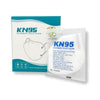 KN95 Respirator Mask, 4 layers, Box of 50 -LP-KN95-001BOX50
$79.00
KN95 Respirator Mask, 4 layers, Box of 50 -LP-KN95-001BOX50
$79.00
-
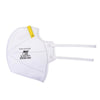 Harley N95 NIOSH Certified Particulate Respirator Mask, Folder Style 20/Box - L-188
$36.00
Harley N95 NIOSH Certified Particulate Respirator Mask, Folder Style 20/Box - L-188
$36.00
-
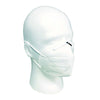 Lab Pro Mask KN95 (K-N95) Pack of 50 - LP-MASK2-K95 - 40% OFF
$125.00$75.00 -
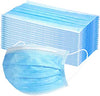 Lab Pro 3ply Earloop Disposable Mask (Non-Surgical) (Box of 50) - 84% OFF
$57.00$9.00
-
- Chemicals
- Wipes
-
Hand Tools
Hand Tools
-
 Excelta Scissors - 346B - Micro Self-Opening - Straight - SS - Blade Length .38" - 346B
$34.73
Excelta Scissors - 346B - Micro Self-Opening - Straight - SS - Blade Length .38" - 346B
$34.73
-
 Excelta Scissors - Straight Slim Blade - SS - Blade Length 1.25" - 271
$10.62
Excelta Scissors - Straight Slim Blade - SS - Blade Length 1.25" - 271
$10.62
-
 Hakko CHP PN-20-M Thin, Short Nose Pliers - PN-20-M
$12.77$11.49 -
 Excelta Pliers - Forming Dog Leg - Carbon Steel - 907-89B
$346.39
Excelta Pliers - Forming Dog Leg - Carbon Steel - 907-89B
$346.39
-
- Gloves
-
Swabs and Applicators
Foam Tipped Swabs
-
ESD & Static Control
ESD & Static Control
- Pipettes
-
Furnaces and Ovens
Furnaces and ovens















Transforming Technologies SRM200 Resistivity Meter - 7100.SRM200.K
$1,825.62
Description
SHOW MORE
Description
- Key performance benefit: Performs surface resistance and resistance to ground measurements to classify materials as conductive, dissipative, or insulative.
- Material & construction: Pocket digital meter with built-in parallel resistivity probes and conductive rubber electrodes for measurement.
- Risk reduction/compliance benefit: Enables ESD testing of surfaces, including work surfaces, floors, chairs, carts, clothing, and packaging materials.
- Protection level: Measurement range: 10³ to 10¹² Ω, with LED indication of conductive, dissipative, or insulating values.
- Comfort & usability: Stores up to 9,801 readings with USB access. Includes software for report generation and CSV export. Automatically adjusts between 10V and 100V test voltages based on material.
- Safety & compliance assurance: Measurements with external electrodes meet the requirements of ANSI ESD S20.20 and IEC 61340-5-1.
Recommended For
- ESD surface resistance testing
- Resistance to ground testing
- Testing work surfaces
- Testing floors, chairs, and carts
- Testing clothing and packaging materials
- ESD compliance verification
Primary Industries
- Electronics Manufacturing
- ESD Control
- Laboratory Testing
- Industrial Manufacturing
Standards and Certifications
- ANSI ESD S20.20
- IEC 61340-5-1
- Calibration certificate included
Properties
| Test Range | 10³ to 10¹² Ω |
| Test Voltage | 10V / 100V (auto-adjusting) |
| Data Storage | Up to 9,801 readings |
| Measurement Functions | Surface resistance, resistance to ground, temperature, humidity |
| Display | LED indication |
| Data Transfer | USB with software and CSV export |
| Probes | Built-in parallel probes; compatible with 5 lb disc probes, handheld probe, two-point probe, concentric ring probes |
| Included | Carrying case, calibration certificate |
FAQs
When is this resistivity meter the right choice compared to simpler ESD testers?
This meter is ideal for environments that require detailed measurements, data storage, and compliance documentation. It is commonly used in professional ESD control programs where traceability and reporting are important, rather than for quick pass-or-fail checks typically provided by simpler handheld testers.
What types of ESD testing workflows benefit most from this device?
This device is well-suited for structured ESD programs, including routine audits, workstation validation, and material qualification. It supports consistent testing across multiple surfaces such as benches, floors, and packaging, helping organizations maintain compliance and monitor performance over time.
How does built-in data storage support compliance requirements?
The ability to store thousands of readings allows users to maintain a history of measurements for internal records or audits. This helps demonstrate compliance with ESD standards and supports quality assurance processes by providing documented evidence of testing over time.
What should be considered when selecting probes for different tests?
Probe selection depends on the surface type and testing standard. For example, flat surfaces may require different probes than irregular materials or garments. Choosing the appropriate probe helps ensure accurate readings and alignment with the required testing methods used in ESD control programs.
What factors can affect measurement accuracy during use?
Environmental conditions such as humidity and temperature, along with surface cleanliness and probe contact, can influence results. Consistent testing procedures and proper device handling are important for ensuring reliable, repeatable measurements, particularly when results are used for compliance verification.
RELATED PRODUCTS