- No products in the cart.

-
PPE Apparel
Masks
-
 KN95 Respirator Mask, 4 layers, Box of 50 -LP-KN95-001BOX50
$79.00
KN95 Respirator Mask, 4 layers, Box of 50 -LP-KN95-001BOX50
$79.00
-
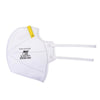 Harley N95 NIOSH Certified Particulate Respirator Mask, Folder Style 20/Box - L-188
$36.00
Harley N95 NIOSH Certified Particulate Respirator Mask, Folder Style 20/Box - L-188
$36.00
-
 Lab Pro Mask KN95 (K-N95) Pack of 50 - LP-MASK2-K95 - 40% OFF
$125.00$75.00 -
 Lab Pro 3ply Earloop Disposable Mask (Non-Surgical) (Box of 50) - 84% OFF
$57.00$9.00
-
- Chemicals
- Wipes
-
Hand Tools
Hand Tools
-
 Excelta Scissors - 346B - Micro Self-Opening - Straight - SS - Blade Length .38" - 346B
$34.73
Excelta Scissors - 346B - Micro Self-Opening - Straight - SS - Blade Length .38" - 346B
$34.73
-
 Excelta Scissors - Straight Slim Blade - SS - Blade Length 1.25" - 271
$10.62
Excelta Scissors - Straight Slim Blade - SS - Blade Length 1.25" - 271
$10.62
-
 Hakko CHP PN-20-M Thin, Short Nose Pliers - PN-20-M
$12.77$11.49 -
 Excelta Pliers - Forming Dog Leg - Carbon Steel - 907-89B
$346.39
Excelta Pliers - Forming Dog Leg - Carbon Steel - 907-89B
$346.39
-
- Gloves
-
Swabs and Applicators
Foam Tipped Swabs
-
ESD & Static Control
ESD & Static Control
- Pipettes
-
Furnaces and Ovens
Furnaces and ovens




















Transforming Technologies Spartan TWO. Constant Monitor for use with 1 wrist strap and mat - CM310
$141.79
Description
SHOW MORE
Description
- Key performance benefit: Continuously monitors a single-wire wrist strap and a work surface to maintain ESD protection at the workstation.
- Material & construction: Enclosed in a durable metal case with built-in mounting brackets for installation under work surfaces.
- Risk reduction/compliance benefit: Eliminates manual wrist-strap testing and detects failures in both wrist-strap and worksurface grounding during use.
- Protection level: Uses capacitance-based monitoring to detect connection to both operator and ground, triggering alarms if either fails.
- Comfort & usability: Simple plug-in operation for immediate monitoring. Audible and visual alarms indicate grounding failure.
- Safety & compliance assurance: Meets or exceeds ANSI ESD S20.20 recommendations. Factory-calibrated fixed resistor system with no adjustments required.
Recommended For
- Single operator ESD monitoring
- Wrist strap and workstation monitoring
- ESD workstation compliance
- Electronics manufacturing environments
- Continuous grounding verification
- Replacement of the manual wrist strap testing
Primary Industries
- Electronics Manufacturing
- ESD Control Environments
- Industrial Manufacturing
- Laboratory Operations
Standards and Certifications
- ANSI ESD S20.20 compliant
Properties
| Model | CM310 |
| Monitoring Type | Single wire continuous monitor |
| Operator Capacity | 1 operator |
| Work Surface Monitoring | 1 mat |
| Compatibility | Standard single-wire wrist straps |
| Alarms | Audible and visual |
| Technology | Capacitance-based monitoring |
| Calibration | Factory calibrated (no recalibration required) |
| Enclosure | Metal case with mounting brackets |
FAQs
How does continuous monitoring improve ESD protection compared to periodic testing?
Continuous monitoring provides real-time verification of grounding, unlike periodic testing, which only checks at a single moment. This ensures immediate detection of failures in wrist straps or mats during actual use, reducing the risk of unnoticed ESD events that could damage sensitive components or compromise product quality.
What makes capacitance-based monitoring more reliable than traditional resistance checks?
Capacitance-based monitoring dynamically detects the presence of the operator and their connection to ground, rather than relying solely on resistance values. This allows the system to identify intermittent disconnections, improper wear, or grounding issues more accurately, providing a higher level of protection in active working environments.
Can this monitor help reduce downtime or product defects in manufacturing?
Yes, by continuously ensuring proper grounding, the CM310 helps prevent electrostatic discharge events that can damage components during production. This reduces costly rework, product failures, and downtime, while improving overall yield and maintaining consistent quality in electronics manufacturing and other ESD-sensitive operations.
Is the Spartan TWO CM310 suitable for regulated or audited ESD programs?
The CM310 supports compliance with ANSI ESD S20.20 standards, making it suitable for regulated environments and audits. Its continuous monitoring capability provides documented assurance of grounding integrity, helping organizations meet compliance requirements and demonstrate adherence to established ESD control procedures during inspections.
What are the advantages of a single-wire monitoring system for operators?
Single-wire systems offer a simpler setup and greater comfort for operators while still providing effective grounding verification. The CM310 enhances this by continuously monitoring both the wrist strap and work surface, ensuring reliable protection without adding complexity, making it ideal for single-operator workstations and streamlined workflows.
RELATED PRODUCTS