- No products in the cart.

-
PPE Apparel
Masks
-
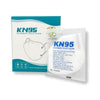 KN95 Respirator Mask, 4 layers, Box of 50 -LP-KN95-001BOX50
$79.00
KN95 Respirator Mask, 4 layers, Box of 50 -LP-KN95-001BOX50
$79.00
-
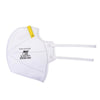 Harley N95 NIOSH Certified Particulate Respirator Mask, Folder Style 20/Box - L-188
$36.00
Harley N95 NIOSH Certified Particulate Respirator Mask, Folder Style 20/Box - L-188
$36.00
-
 Lab Pro Mask KN95 (K-N95) Pack of 50 - LP-MASK2-K95 - 40% OFF
$125.00$75.00 -
 Lab Pro 3ply Earloop Disposable Mask (Non-Surgical) (Box of 50) - 84% OFF
$57.00$9.00
-
- Chemicals
- Wipes
-
Hand Tools
Hand Tools
-
 Excelta Scissors - 346B - Micro Self-Opening - Straight - SS - Blade Length .38" - 346B
$34.73
Excelta Scissors - 346B - Micro Self-Opening - Straight - SS - Blade Length .38" - 346B
$34.73
-
 Excelta Scissors - Straight Slim Blade - SS - Blade Length 1.25" - 271
$10.62
Excelta Scissors - Straight Slim Blade - SS - Blade Length 1.25" - 271
$10.62
-
 Hakko CHP PN-20-M Thin, Short Nose Pliers - PN-20-M
$12.77$11.49 -
 Excelta Pliers - Forming Dog Leg - Carbon Steel - 907-89B
$346.39
Excelta Pliers - Forming Dog Leg - Carbon Steel - 907-89B
$346.39
-
- Gloves
-
Swabs and Applicators
Foam Tipped Swabs
-
ESD & Static Control
ESD & Static Control
- Pipettes
-
Furnaces and Ovens
Furnaces and ovens




















Transforming Technologies Spartan ONE. Constant Monitor; for use with 1 wrist strap - CM300
$109.46
Description
SHOW MORE
Description
- Key performance benefit: Continuously monitors a single wire wrist strap to maintain ESD protection at the workstation.
- Material & construction: Enclosed in a durable metal case with built-in mounting brackets for installation under work surfaces.
- Risk reduction/compliance benefit: Eliminates manual wrist-strap testing and detects failures in use, reducing the risk of ESD damage.
- Protection level: Uses capacitance-based monitoring to detect connection to both operator and ground, triggering alarms if either fails.
- Comfort & usability: Simple plug-in operation for immediate monitoring. Audible and visual alarms indicate grounding failure.
- Safety & compliance assurance: Meets or exceeds ANSI ESD S20.20 recommendations. Factory-calibrated fixed resistor system with no adjustments required.
Recommended For
- Single operator ESD monitoring
- Wrist strap continuous monitoring
- ESD workstation compliance
- Electronics manufacturing environments
- Continuous grounding verification
- Replacement of the manual wrist strap testing
Primary Industries
- Electronics Manufacturing
- ESD Control Environments
- Industrial Manufacturing
- Laboratory Operations
Standards and Certifications
- ANSI ESD S20.20 compliant
Properties
| Model | CM300 |
| Monitoring Type | Single wire continuous monitor |
| Operator Capacity | 1 operator |
| Compatibility | Standard single-wire wrist straps |
| Alarms | Audible and visual |
| Technology | Capacitance-based monitoring |
| Calibration | Factory calibrated (no recalibration required) |
| Enclosure | Metal case with mounting brackets |
FAQs
When should a single-wire monitor be used instead of a dual-wire system?
A single-wire monitor is typically used in environments where standard single-wire wrist straps are already in place. It is a practical choice for basic ESD control setups that require continuous monitoring without upgrading to dual wire systems, making it suitable for established workstations with existing equipment.
How does continuous monitoring improve ESD protection compared to periodic testing?
Continuous monitoring provides real-time verification of grounding during active work, rather than a single check before a shift. This allows immediate detection of disconnections or failures, reducing the risk of unnoticed grounding loss and helping maintain consistent protection for sensitive components.
What role does capacitance-based monitoring play in performance?
Capacitance-based monitoring detects both the operator’s connection and the ground path, helping ensure the full grounding system is intact. This method reliably detects failures and supports effective monitoring without requiring more complex dual-conductor systems.
What types of workstations benefit most from this monitor?
This monitor is well-suited for individual workstations in electronics manufacturing, repair, or laboratory environments where standard wrist straps are used. It supports continuous grounding verification in setups that do not require multi-operator monitoring or more advanced dual wire systems.
What should be considered when installing this monitor under a workstation?
Proper mounting and secure connections are important for consistent operation. The unit should be installed within view or hearing range so alarms can be noticed quickly. Ensuring correct wrist strap compatibility and maintaining clean, secure grounding connections helps support reliable performance.
RELATED PRODUCTS