- No products in the cart.

-
PPE Apparel
Masks
-
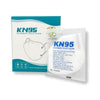 KN95 Respirator Mask, 4 layers, Box of 50 -LP-KN95-001BOX50
$79.00
KN95 Respirator Mask, 4 layers, Box of 50 -LP-KN95-001BOX50
$79.00
-
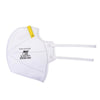 Harley N95 NIOSH Certified Particulate Respirator Mask, Folder Style 20/Box - L-188
$36.00
Harley N95 NIOSH Certified Particulate Respirator Mask, Folder Style 20/Box - L-188
$36.00
-
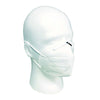 Lab Pro Mask KN95 (K-N95) Pack of 50 - LP-MASK2-K95 - 40% OFF
$125.00$75.00 -
 Lab Pro 3ply Earloop Disposable Mask (Non-Surgical) (Box of 50) - 84% OFF
$57.00$9.00
-
- Chemicals
- Wipes
-
Hand Tools
Hand Tools
-
 Excelta Scissors - 346B - Micro Self-Opening - Straight - SS - Blade Length .38" - 346B
$34.73
Excelta Scissors - 346B - Micro Self-Opening - Straight - SS - Blade Length .38" - 346B
$34.73
-
 Excelta Scissors - Straight Slim Blade - SS - Blade Length 1.25" - 271
$10.62
Excelta Scissors - Straight Slim Blade - SS - Blade Length 1.25" - 271
$10.62
-
 Hakko CHP PN-20-M Thin, Short Nose Pliers - PN-20-M
$12.77$11.49 -
 Excelta Pliers - Forming Dog Leg - Carbon Steel - 907-89B
$346.39
Excelta Pliers - Forming Dog Leg - Carbon Steel - 907-89B
$346.39
-
- Gloves
-
Swabs and Applicators
Foam Tipped Swabs
-
ESD & Static Control
ESD & Static Control
- Pipettes
-
Furnaces and Ovens
Furnaces and ovens



















Transforming Technologies Dual Conductor Resistance Monitor, 1 Operator - CM1601
$178.27
Description
SHOW MORE
Description
- Key performance benefit: Continuously monitors wrist-strap resistance for a single operator and alarms if the resistance exceeds 35 megohms.
- Material & construction: A dual-conductor resistance monitoring system designed to measure the resistance of the wrist strap and the operator.
- Risk reduction/compliance benefit: Provides real-time detection of grounding failures and eliminates the need for manual wrist-strap testing.
- Protection level: Uses ultra-low voltage signal for monitoring without skin irritation.
- Comfort & usability: Audible and visual alarms indicate improper grounding. Designed for use with dual wire wrist straps, providing two paths to ground.
- Safety & compliance assurance: Factory calibrated; does not require annual recalibration, recommended periodic verification with the CM2015PV meter.
Recommended For
- Single operator ESD monitoring
- Wrist strap resistance monitoring
- ESD workstation compliance
- Electronics handling environments
- Continuous grounding verification
- Replacement of the manual wrist strap testing
Primary Industries
- Electronics Manufacturing
- ESD Control Environments
- Industrial Manufacturing
- Laboratory Operations
Standards and Certifications
- Not specified
Properties
| Monitoring Type | Dual-conductor resistance monitoring |
| Operator Capacity | 1 operator |
| Alarm Threshold | >35 meg ohm |
| Signal Type | Ultra-low voltage |
| Alarms | Audible and visual |
| Compatibility | Dual wire wrist straps |
FAQs
When is a continuous wrist strap monitor preferred over periodic testers?
A continuous monitor is ideal for environments where uninterrupted grounding is critical. Unlike periodic testers, it verifies grounding in real time while work is underway. This helps detect failures immediately, which is especially important in electronics handling or ESD-controlled areas where even a brief loss of grounding can pose risks.
How does this monitor improve reliability compared to single-conductor systems?
This monitor uses dual-conductor technology to verify both paths to ground in a wrist strap system. This provides a more dependable indication of proper grounding and reduces the chance of false readings, offering greater confidence in maintaining consistent ESD protection during operations.
What types of workstations benefit most from this device?
This device is best suited for individual workstations where one operator requires continuous grounding verification. It is commonly used in electronics manufacturing, laboratory environments, and repair stations where consistent ESD control is necessary for handling sensitive components.
What role do audible and visual alarms play during operation?
Audible and visual alarms provide immediate notification if grounding resistance exceeds the acceptable threshold. This allows the operator to quickly identify and correct issues, helping prevent unnoticed grounding failures and maintaining consistent protection throughout the work process.
What should be considered when setting up this monitor for daily use?
Users should ensure compatibility with dual-wire wrist straps and confirm proper grounding connections. Positioning the monitor within clear view and hearing range helps ensure alerts are noticed. Periodic verification of system performance can support consistent and reliable operation over time.
RELATED PRODUCTS