- No products in the cart.



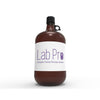















Ethylene glycol is one of the most versatile organic compounds in industrial and commercial chemistry.
It appears in products across dozens of sectors, from the antifreeze in your car's engine to the polyester fibers in your jacket, from laboratory specimen jars to the wings of a commercial aircraft.
Despite this reach, many buyers and procurement teams have a narrow view of what ethylene glycol actually does.
Understanding the breadth of applications helps professionals choose the right grade, concentration, and source for their specific needs.
This guide breaks down the top uses of ethylene glycol and explains why products containing it remain indispensable across science, manufacturing, and industry.
Key Takeaways
-
Ethylene glycol is a multi-industry chemical used in applications ranging from automotive antifreeze and aircraft de-icing to PET plastic manufacturing and laboratory cryoprotection.
-
Products with ethylene glycol are available in different grades, industrial, technical, and laboratory, each suited to specific applications and purity requirements.
-
Its low freezing point and high boiling point make it the preferred heat transfer fluid in automotive, HVAC, solar thermal, and industrial cooling systems.
-
In lab environments, ethylene glycol serves as a cryoprotectant, protein extraction solvent, and specimen preservative, functions that require high-purity, lab-certified material.
-
Ethylene glycol is toxic if ingested; always follow proper PPE protocols, storage guidelines, and disposal regulations when handling it.
What Is Ethylene Glycol

Ethylene glycol (chemical formula C₂H₆O₂, also known as 1,2-ethanediol or monoethylene glycol/MEG) is a clear, colorless, odorless, and slightly viscous liquid with a characteristic sweet taste.
It is produced industrially through the hydrolysis of ethylene oxide, which is itself derived from the oxidation of ethylene. It is fully miscible with water and with most common organic solvents, which is central to its wide utility. Its two key physical properties, a low freezing point and a high boiling point, make it uniquely valuable wherever thermal management is critical.
Essential Applications Of Products With Ethylene Glycol
Ethylene glycol is a versatile chemical with applications spanning automotive, industrial, laboratory, and renewable energy sectors. Its unique properties make it essential for cooling systems, de-icing, plastics production, brake fluids, and specialized lab processes.
Automotive Antifreeze And Engine Coolant
This is the use most people associate with ethylene glycol, and for good reason. A 50/50 mixture of ethylene glycol and water lowers the freezing point of the coolant to approximately -34°F (-37°C) and raises its boiling point to around 265°F (129°C).
This dual protection prevents engine failure in both extreme cold and intense heat. Ethylene glycol also inhibits corrosion within cooling system components, including aluminum, steel, and copper.
The automotive industry consumes a massive share of global ethylene glycol production annually. Fleet managers, mechanics, and automotive supply companies rely heavily on products with ethylene glycol as the foundation of any effective coolant system.
Industrial Cooling Systems And HVAC
Beyond vehicles, ethylene glycol is the heat-transfer fluid of choice in large-scale industrial cooling. Chemical processing plants, food and beverage facilities, pharmaceutical manufacturing lines, and HVAC systems in commercial buildings all rely on ethylene glycol-based fluids to precisely regulate temperature.
These systems require a fluid that remains stable across wide temperature ranges, flows efficiently through tight piping, and won't corrode system infrastructure.

Aircraft And Runway De-Icing
Aviation safety in winter conditions depends directly on ethylene glycol-based de-icing fluids. Ice accumulation on aircraft wings, fuselages, and control surfaces creates dangerous aerodynamic instability.
Type I through Type IV de-icing fluids, all formulated with ethylene glycol, are applied to aircraft prior to takeoff to break down existing ice and create a brief protective barrier against re-icing during the pre-departure window.
Airport authorities also apply diluted ethylene glycol solutions directly to runways and taxiways to prevent ice formation. The concentration of ethylene glycol in these formulations varies: runway treatments typically use 10–30%, while aircraft de-icing fluids may be as high as 80–100% in concentrated form.
PET Plastic And Polyester Fiber Manufacturing
Ethylene glycol is a direct chemical building block in the synthesis of polyethylene terephthalate (PET), the resin used to manufacture plastic beverage bottles, food containers, packaging films, and polyester fiber. Globally, PET production accounts for the largest share of industrial ethylene glycol consumption.
Polyester fiber derived from PET is used in clothing, home upholstery, carpets, pillows, and industrial fabrics. Fiberglass products, including jet skis, bathtubs, and marine hulls, also use ethylene glycol as a raw material in their manufacturing process.
The sheer variety of downstream applications makes products with ethylene glycol central to modern materials science and consumer goods manufacturing.
Hydraulic Brake Fluids
A less commonly discussed but critically important application is ethylene glycol's role in hydraulic brake fluid formulations. Brake fluids must maintain consistent viscosity and performance across a wide range of temperatures, from freezing mountain passes to the extreme heat generated during heavy braking.
Ethylene glycol-based formulations meet these demands while remaining compatible with rubber seals and brake system components.
Both automotive and aviation braking systems rely on these properties. The chemical stability of ethylene glycol under pressure and thermal stress makes it far more reliable in this application than water-based alternatives alone.
Laboratory And Research Applications
For laboratory professionals, ethylene glycol offers several specialized functions that go beyond what industrial users typically need. In biochemistry and molecular biology, it is used as a cryoprotectant to protect biological samples, cell cultures, enzymes, and tissues from damage during freeze-thaw cycles. At controlled concentrations, ethylene glycol prevents the formation of ice crystals that would rupture cell membranes.
It is also used in protein extraction protocols, where its solvent properties help isolate and stabilize target proteins from complex biological matrices. School and university labs commonly use ethylene glycol as a specimen preservative for dissection specimens, particularly in anatomical and zoology departments.
Laboratory-grade ethylene glycol must meet purity standards that differ from industrial-grade material, a distinction that matters when sourcing for research purposes. Products containing ethylene glycol intended for lab use must be handled in accordance with proper chemical safety protocols, including appropriate PPE and adequate ventilation.
Paints, Coatings, Inks, And Adhesives
Ethylene glycol is a valued solvent and viscosity modifier across the coatings industry. In water-based paints, it extends the open time, improving application quality. In inks, particularly ballpoint pen ink and industrial printing inks, it increases viscosity and reduces evaporation, keeping the ink flowable and consistent over time.
Adhesive formulations benefit from ethylene glycol's solvent and plasticizing properties, which improve flexibility and bond strength across temperature ranges. These uses account for a significant segment of products with ethylene glycol in the chemical distribution market.
Pharmaceutical And Cosmetic Formulations
Ethylene glycol is approved by the FDA as an indirect food additive (for use in food-packaging adhesives) and is present at regulated concentrations in pharmaceutical and cosmetic products. Its hygroscopic nature, the ability to attract and retain moisture from the surrounding environment, makes it a practical humectant in certain topical products, where it helps formulations maintain moisture and texture stability.
In pharmaceutical manufacturing, it functions as a solvent for drug compounds and active pharmaceutical ingredients (APIs), improving solubility and bioavailability in liquid oral and topical formulations. Strict regulatory limits apply to its concentration in consumer-facing products.
Renewable Energy: Solar Thermal Systems
As solar thermal energy systems have expanded globally, ethylene glycol has become a key component in their heat transfer loops. In solar thermal collectors, a fluid circulates through panels exposed to sunlight, absorbs heat, and transfers that energy to a storage system or directly to a building's heating circuit. Ethylene glycol-water mixtures are the preferred heat transfer fluid in these systems because they prevent freezing in overnight and winter conditions while maintaining efficient heat absorption during peak solar hours.
This application positions ethylene glycol as a contributor to renewable energy infrastructure, extending its relevance well beyond legacy industrial uses.
Also, read:
Safety And Handling Considerations
Ethylene glycol is toxic when ingested. Even though dermal exposure to small quantities is generally low risk, proper PPE, including chemical-resistant gloves and eye protection, should always be worn when handling it in concentrated form. Products must be stored in clearly labeled, original containers and kept away from food, beverages, and areas accessible to children or animals.
Workplaces should ensure adequate ventilation when using ethylene glycol in heated processes, and spill protocols should be in place for any volume above small quantities. Laboratory environments must follow institutional chemical safety guidelines specific to the grade and concentration being used.
Ethylene glycol is a vital chemical across industry and research, prized for its thermal, solvent, and manufacturing properties. From automotive cooling and industrial systems to laboratory applications and advanced materials, understanding its uses helps professionals choose the right grade, concentration, and supplier to achieve safe, effective results.
At Lab Pro, we provide reliable access to high-quality ethylene glycol and related chemical products essential for industrial, laboratory, and research applications.
Through our Vendor-Managed Inventory (VMI) services, we ensure critical chemicals are available when needed, reducing disruptions and supporting seamless operations.
Simplify your sourcing and keep operations running smoothly.
Explore Lab Supplies
FAQs
What concentration of ethylene glycol is best for laboratory cryoprotection?
For most cell culture and tissue preservation applications, concentrations between 5% and 20% are used, depending on the biological material. For deep-freeze protocols, higher concentrations may be required. Always consult your specific protocol and verify that the ethylene glycol products you are using meet the purity grade required for biological work.
Can ethylene glycol be safely mixed with propylene glycol in industrial systems?
Mixing is technically possible but not recommended. The two glycols have different densities, inhibitor packages, and thermal properties. Blending them complicates freeze-point calculations and may reduce the effectiveness of corrosion inhibitors. Products with ethylene glycol and propylene glycol should be kept in separate, clearly labeled systems.
Is ethylene glycol biodegradable, and what are the disposal requirements?
Ethylene glycol is biodegradable under aerobic conditions, typically breaking down within days to weeks in soil and water. However, it should never be poured down drains or released into waterways in large quantities, as high concentrations can deplete dissolved oxygen in aquatic environments.
What is the difference between industrial-grade and laboratory-grade ethylene glycol? Industrial-grade ethylene glycol may contain trace impurities acceptable for coolant or de-icing applications but unsuitable for biological or analytical work. Laboratory-grade material is produced to higher purity standards with tighter specifications on metal ion content, water content, and residual solvents.
How do I know which grade of ethylene glycol to order for my application?
The grade depends on your use case, coolant formulation, laboratory research, pharmaceutical compounding, or industrial processing; each has different purity requirements. Lab Pro's team can help you identify the right specification. When evaluating products with ethylene glycol, request the SDS and CoA to confirm the grade is appropriate for your intended use.