- No products in the cart.

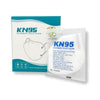


















If you were involved in sourcing personal protective equipment in early 2020, you already know what "crisis procurement" looks like up close: sky-high prices, unverified suppliers, shipments seized at borders, and masks that didn’t meet basic safety standards. The global PPE shortage exposed every weakness in the supply chain simultaneously, and procurement professionals bore the consequences.
Yet ever since, a lot has changed. The panic is gone, but the lessons remain, embedded in policy, supplier contracts, regulatory frameworks, and procurement strategies. This article breaks down exactly what shifted in the personal protective equipment market since the pandemic, which changes are structural and permanent, and what that means practically for buyers.
Key Takeaways:
-
The PPE shortage exposed structural weaknesses in the global PPE supply chain — and permanently changed procurement strategy.
-
The PPE supply chain is now more diversified, regulated, and geographically distributed than before 2020.
-
Healthcare demand has stabilized above pre-pandemic levels, but competition in commodity PPE is intense.
-
Industrial sectors are driving new growth in the protective equipment market, especially for higher-spec products.
-
Government reserve programs create predictable, high-volume demand, but require strict compliance.
-
Strategic stockpiling, multi-supplier networks, and certification management are now standard practices.
-
Sustainability is moving from optional to expected in institutional PPE procurement.
-
Procurement teams that prioritize compliance, diversification, and expiry management are best positioned for long-term resilience.
The PPE Shortage: What Actually Broke And Why
The 2020 PPE supply chain failure was not simply a matter of insufficient supply. The deeper problem was structural: global PPE manufacturing was heavily concentrated in a small number of countries, dominated by a handful of production hubs with limited redundancy. When demand surged, the WHO estimates that demand for medical masks in 2020 was nearly 15 times higher than in 2019, and the system had no capacity to absorb the shock.
Procurement processes made things worse. Emergency authorizations bypassed standard competitive bidding. Governments rushed to sign contracts with unverified suppliers. Quality failures were widespread: in one documented case, 90,000 out of 170,000 PPE kits sent from one country to another failed safety testing entirely. Healthcare workers in some facilities were reusing single-use masks for days at a time or improvising with non-medical materials.
For procurement professionals, this period was a masterclass in what happens when cost-efficiency is the sole procurement objective. The transactional, lowest-cost model failed catastrophically when the supply conditions on which it depended evaporated overnight.
How The PPE Supply Chain Was Rebuilt
The global PPE shortage did not resolve itself, it triggered a structural overhaul. Governments, manufacturers, and procurement teams redesigned sourcing, production, and inventory strategies to prevent a repeat of 2020’s failures.
Reshoring and Regional Diversification: Countries heavily dependent on PPE imports invested in domestic and near-shore production. India expanded local manufacturing after severe import disruptions. The U.S. introduced incentives for domestic production of critical medical supplies. European nations shifted toward regional sourcing for essential protective equipment. As a result, the PPE supply chain is more geographically diversified. Reliance on single-country sourcing has declined, especially for high-priority items such as respirators, nitrile gloves, and surgical gowns.
Supplier Verification and Anti-Fraud Measures: Counterfeit and substandard PPE surged during the crisis. Manufacturers responded with authentication tools, including QR codes, holograms, and digital verification systems, to confirm authenticity and improve traceability. Customs enforcement tightened, and regulators in the U.S., EU, and other regions increased scrutiny of imports. Supplier verification is now a procurement requirement, not optional due diligence. Buyers must demonstrate compliance with applicable standards or risk disqualification, particularly in government tenders.
Strategic National Reserves: One of the most significant outcomes of the PPE shortage was the expansion of national strategic reserves. The EU’s rescEU program maintains centralized stockpiles refreshed every 18–24 months. Japan, South Korea, Singapore, and others adopted rolling replacement systems.
These reserves are active procurement mechanisms that generate recurring, high-volume demand for compliant suppliers rather than serving as static stockpiles.
How Demand Has Shifted In The Personal Protective Equipment Market
The personal protective equipment market did not simply return to its pre-pandemic state once the acute crisis passed. Demand normalized in some areas, expanded significantly in others, and an entirely new consumer segment emerged.
Healthcare: Normalized, Not Shrunk
Healthcare PPE demand has fallen from pandemic peaks but remains above pre-2020 levels, about 1.2× higher for medical masks, according to estimates. Demand is now more stable. Major hospital systems have shifted from panic buying to structured inventory management, maintaining a rolling buffer stock rather than swinging between shortages and surpluses.
For suppliers, this means tighter price competition in commodity categories. Standard surgical masks and basic nitrile gloves are crowded segments. Differentiation depends on certification, compliance documentation, and delivery reliability.
Industrial And Environmental Sectors: The Growth Frontier
Post-pandemic growth in the protective equipment market has been driven primarily by industrial sectors. A 2024 ILO survey found 46% of industrial firms increased PPE budgets compared to pre-pandemic levels. Food processing, construction, renewable energy, and data centers have all expanded PPE requirements.
Demand is also shifting toward higher-specification products, FFP2 respirators instead of basic dust masks, composite footwear over standard steel-toe boots, and flame-resistant workwear for infrastructure projects. Growth is not just in volume, but in product quality.
Government Tenders: Predictable, High-Volume, Compliance-Intensive
Government tenders have become one of the most stable demand drivers in the personal protective equipment market. As countries formalize strategic reserves and institutional procurement cycles, large-volume contracts are now issued on predictable schedules. However, access to this channel requires strict compliance, precise documentation, and disciplined supply chain management

What’s Here To Stay: 5 Permanent Shifts In Ppe Procurement
The PPE shortage did more than disrupt supply; it permanently reshaped procurement strategy. Across healthcare, industrial sectors, and government buying programs, several structural shifts have become standard practice. These changes now define how the PPE supply chain operates and how professional buyers compete in the personal protective equipment market.
-
Strategic Stockpiling as Standard Practice: The pre-pandemic just-in-time model has given way to a rolling buffer stock approach. Maintaining three to six months of inventory on a scheduled replenishment cycle is now standard operational practice.
-
Multi-Supplier Networks Are Non-Negotiable: Single-supplier dependence is now viewed as unacceptable risk. Procurement teams maintain pre-qualified suppliers across product categories and geographies. Vendor pooling is standard among professional buyers.
-
Compliance Is a Competitive Advantage: Post-pandemic regulations tightened, and enforcement remains strict. Non-compliant shipments are rejected, and uncertified suppliers are excluded from institutional tenders. Compliance documentation is now a core criterion for sourcing. Suppliers that proactively provide certifications, test results, and audit records gain a clear advantage.
-
Sustainability Is Entering Procurement Criteria: Sustainable PPE is gaining institutional traction. Government tenders increasingly require environmental documentation, and corporations are adding sustainability metrics to supplier evaluations. While eco-certified products still command a premium, their prices are declining. Early alignment with compliant, sustainable suppliers positions buyers ahead of tightening standards.
-
Portfolio Diversification Protects Revenue: Distributors that diversified beyond healthcare after the pandemic performed more consistently. Balancing healthcare, industrial, and government-focused lines improved margins, increased tender success, and reduced inventory write-offs. Single-sector concentration is now treated as a strategic risk.
What Smart Buyers Are Doing Differently in 2025
The most effective PPE procurement teams have embedded these structural shifts into their operating models. Several best practices have emerged.
Sector-specific demand forecasting is now standard. Instead of managing a single PPE inventory, leading buyers maintain separate forecasts for healthcare, industrial, and government streams, each with distinct reorder points, lead times, and compliance requirements.
Flexible volume contracts have largely replaced fixed purchase orders. Agreements structured around volume ranges allow teams to scale up after winning a government tender without carrying excess inventory if they do not.
Expiry management is now a core discipline. Buyers handling expiry-sensitive products, such as medical masks, sterile gloves, and sealed respirators, use batch-level ERP tracking to rotate stock and reduce write-offs. Government reserve programs, in particular, require precise expiry coordination to avoid waste in multi-million-unit procurement cycles.

The PPE shortage permanently reshaped the PPE supply chain and the personal protective equipment market. Procurement is now defined by strategic stockpiling, diversified suppliers, strict compliance, and predictable government demand. Resilience has replaced cost-only decision-making. Organizations that prioritize diversified sourcing, structured inventory management, and regulatory discipline will be better prepared for future disruptions. Preparedness is no longer optional.
At Lab Pro, we recognize that resilient procurement and responsible sourcing are now central to modern laboratory operations. Sustainability and supply chain accountability begin well before products reach the bench. They are built into sourcing strategy, inventory planning, and distribution models.
Our portfolio includes:
-
Equipment and hand tools
-
Operational and facility support products
We also provide Vendor Managed Inventory (VMI) services to improve forecasting accuracy, reduce emergency shipments, and optimize consolidated freight programs. Enhanced inventory visibility and planned replenishment cycles help lower emissions, minimize packaging waste, and reduce costly write-offs.
Explore laboratory supply solutions designed to support compliance, sustainability, and operational resilience.
Explore Lab Products
FAQs
Is the risk of another major PPE shortage still real?
Yes. Structural improvements, including reshoring, diversified sourcing, and strategic reserves, have reduced vulnerability, but systemic risks remain. New pandemics, geopolitical conflict, or climate-related disruptions could still trigger demand spikes. Preparedness is stronger than in 2020, but buyers who eliminate strategic stock buffers to cut costs risk recreating past conditions.
What certifications should buyers prioritize when sourcing PPE today?
Certification depends on the product category and market. In the U.S., respirators require NIOSH approval; in Europe, CE marking under relevant EN standards applies. For government tenders within the personal protective equipment market, certification requirements vary by contract and country. Sustainability credentials, such as recycled content verification or environmental management certifications, are increasingly required in European institutional tenders.
How can smaller distributors compete in government tenders without dedicated compliance teams?
Focus on select product categories where full compliance can be maintained. Partner with certified manufacturers that provide complete documentation and audit support to reduce internal burden. Some distributors use third-party compliance consultants, particularly for high-value or first-time bids.
What role does technology play in modern PPE procurement?
Technology is central to professional procurement. ERP-based batch tracking enables large-scale expiry management, critical for reserve contracts, and reduces write-offs. Digital procurement platforms improve spend visibility. In the PPE supply chain, anti-counterfeiting tools such as QR codes and authentication systems are now standard when sourcing from new suppliers.
Is it worth investing in eco-certified PPE despite the cost premium?
For buyers serving large corporations or public institutions, increasingly yes. Sustainability criteria are increasingly appearing in formal tenders across the personal protective equipment market. While eco-certified products still carry a premium, pricing is declining as supply expands. Early relationships with sustainable suppliers provide a strategic advantage as standards tighten.