- No products in the cart.















Sulfuric acid (H₂SO₄) is one of the most important industrial chemicals in the world. From fertilizers and batteries to laboratory processes and chemical manufacturing, it powers essential sectors of the global economy.
If you’ve ever wondered what sulfuric acid is used for, the answer spans agriculture, energy, and scientific research. According to the EPA’s Sulfuric Acid Supply Chain Profile, 60–75% of U.S. sulfuric acid consumption goes into phosphate fertilizer manufacturing, underscoring its central role in agriculture and food production.
For procurement teams, compliance officers, and lab managers, understanding what sulfuric acid is used for is critical for safe, compliant purchasing decisions.
Key Takeaways
-
What is sulfuric acid used for most? Over 80% of global production supports fertilizer manufacturing.
-
It is essential in steel pickling and metal processing.
-
Lead-acid batteries depend on sulfuric acid for energy storage.
-
It appears in industrial cleaning solutions and degreasers.
-
Lab-grade sulfuric acid supports pharmaceutical synthesis and education.
What Is Sulfuric Acid?
Sulfuric acid is a strong, corrosive mineral acid made from hydrogen, sulfur, and oxygen. Often called the “king of chemicals,” it is produced at an enormous scale and used across countless industries.
When asking what sulfuric acid is used for, it helps to remember that nearly every manufactured good, from fertilizers to electronics, relies on sulfuric acid at some stage in production.
In fact, around 288 million metric tons of sulfuric acid are produced globally each year, and that number is expected to rise to 330 million metric tons by 2027.

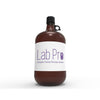
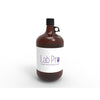
Lab Pro’s Sulfuric Acid 1.0N, is ideal for laboratory processes, including pH adjustments, and is an essential tool in various scientific experiments.
Sulfuric Acid Chemical Properties
-
Formula: H₂SO₄
-
Molar mass: 98.079 g/mol
-
Density: 1.84 kg/L (water = 1 kg/L)
-
Boiling point: 337°C
-
pH: ~0.5 (very strong acid)
-
Unique traits: Hygroscopic (absorbs water from air), dehydrating oxidant (strips water from substances).
These properties explain what sulfuric acid is used for in industrial and lab contexts, its density and reactivity make it a powerful catalyst, electrolyte, and dehydrating agent in large-scale processes.

Safety And Regulatory Considerations
Because sulfuric acid is highly corrosive, it demands strict safety measures:
-
PPE: Chemical-resistant gloves, face shields, and lab coats.
-
Storage: Keep in ventilated, corrosion-resistant containers.
-
Labeling: ≥1.5M = “Corrosive”; 0.5–1.5M = “Irritant.”
-
Mixing: Always add acid to water, not water to acid, to avoid dangerous heat release.
Choosing between ethanol and isopropyl alcohol (IPA) depends on your specific needs. Ethanol is best for pharmaceutical and healthcare applications, while IPA excels in cleanrooms and electronics manufacturing due to its rapid evaporation and residue-free properties.
Lab Pro offers both Ethanol Denatured Reagent 200 Proof and Isopropyl Alcohol 70/30, with full regulatory support and quick delivery.
Discover our full selection of alcohols and acids, along with our Hazmat-certified delivery fleet and audit-ready documentation.
Top 5 Uses Of Sulfuric Acid
When it comes to what sulfuric acid is used for, the applications span nearly every major industry. Here are the top five:

1. Chemical Manufacturing
Sulfuric acid is the backbone of the chemical industry. It is used to produce hydrochloric acid, nitric acid, sulfate salts, synthetic detergents, pigments, and dyes. Its dehydrating power makes it critical in large-scale chemical synthesis.
2. Metal Processing
In the steel and copper industries, sulfuric acid is used for steel pickling, the process of cleaning and removing rust or impurities from metal surfaces. This ensures strong, corrosion-resistant metals for construction, electronics, and transportation.
3. Batteries
Known as “battery acid,” sulfuric acid is the electrolyte in lead-acid batteries for cars, tractors, and backup energy systems. It facilitates the chemical reaction that generates and stores electrical energy.
4. Cleaning Products
Due to its corrosive strength, sulfuric acid is found in industrial drain cleaners and degreasers. While tightly regulated for domestic use, its effectiveness in breaking down organic matter makes it a powerful ingredient in cleaning solutions.
5. Agriculture And Fertilizers
The most common answer to what sulfuric acid is used for is fertilizers. Over 80% of global sulfuric acid output goes into making ammonium sulfate and superphosphate of lime, fertilizers that sustain global agriculture.
Choosing The Right Supplier
Sulfuric acid (H₂SO₄) is essential in numerous industries, including fertilizers, metal processing, and battery production. However, its applications extend far beyond large-scale use, making it indispensable in laboratories as well.
Beyond industry, sulfuric acid is vital in laboratories:
-
Pharmaceuticals: Used in drug synthesis and alkylation processes.
-
Research: MB-grade sulfuric acid for titrations, digestion, and sample prep.
-
Education: Common in chemistry classrooms for controlled experiments.
For labs asking what sulfuric acid is used for, these applications showcase its importance in research and academic settings.
Lab Pro offers a wide selection of high-quality lab products, including sulfuric acid in multiple grades and sizes, tailored for various applications.
To ensure you never run out of essential supplies, we also provide a VMI program, maintaining product availability and avoiding shortages.
Explore our full selection here.
FAQ
1. Is sulfuric acid safe for laboratory use?
Yes, when handled correctly. Safety requires PPE such as gloves, goggles, and lab coats, along with proper ventilation and secondary containment. Sulfuric acid should always be labeled and stored in approved containers. Lab Pro ensures every order comes with the proper documentation and compliance support for safe laboratory use.
2. How does Lab Pro ensure safe sulfuric acid delivery?
Lab Pro uses a hazmat-certified delivery fleet, provides MSDS documentation with every shipment, and maintains lot-traceable inventory. This ensures full regulatory compliance and safe handling from our warehouse to your lab, minimizing risk while supporting audit-ready recordkeeping.
3. Why is sulfuric acid called the “king of chemicals”?
Sulfuric acid is often called the “king of chemicals” because its production volume directly reflects industrial strength and economic health. It is foundational in producing fertilizers, synthetic chemicals, explosives, and dyes, while also playing a critical role in energy storage systems such as lead-acid batteries.
4. What concentration of sulfuric acid is in car batteries?
Lead-acid car batteries typically contain a 30–35% sulfuric acid solution. This concentration is strong enough to facilitate the electrochemical reactions required for storing and delivering electrical energy, while balanced to ensure battery stability and safe handling when properly maintained.