- No products in the cart.

-
PPE Apparel
Masks
-
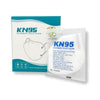 KN95 Respirator Mask, 4 layers, Box of 50 -LP-KN95-001BOX50
$79.00
KN95 Respirator Mask, 4 layers, Box of 50 -LP-KN95-001BOX50
$79.00
-
 Harley N95 NIOSH Certified Particulate Respirator Mask, Folder Style 20/Box - L-188
$36.00
Harley N95 NIOSH Certified Particulate Respirator Mask, Folder Style 20/Box - L-188
$36.00
-
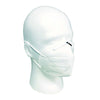 Lab Pro Mask KN95 (K-N95) Pack of 50 - LP-MASK2-K95 - 40% OFF
$125.00$75.00 -
 Lab Pro 3ply Earloop Disposable Mask (Non-Surgical) (Box of 50) - 84% OFF
$57.00$9.00
-
- Chemicals
- Wipes
-
Hand Tools
Hand Tools
- Gloves
-
Swabs and Applicators
Foam Tipped Swabs
-
ESD & Static Control
ESD & Static Control
- Pipettes
-
Furnaces and Ovens
Furnaces and ovens
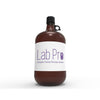

















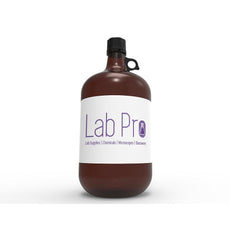
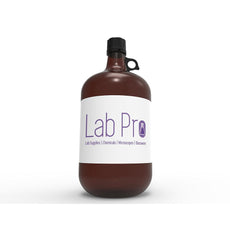
Acetone Laboratory Grade
$503.00
Description
SHOW MORE
Description
Acetone is a widely used organic solvent with applications across various industries, particularly in laboratories. This acetone solution is ideal for dissolving many organic compounds, cleaning laboratory equipment, and carrying out chemical reactions. With a high evaporation rate and minimal residue, acetone is a versatile solvent for different tasks. The acetone chemical formula is C₃H₆O, which makes it an effective solvent for many substances.
Key Features
- Acetone Density g/mL: The density of acetone is approximately 0.791 g/mL, making it a lightweight and effective solvent for many applications.
- Fast Evaporation: Acetone evaporates quickly, making it ideal for cleaning and drying purposes.
- Acetone Chemical Formula: The acetone chemical formula is C₃H₆O, a simple and widely recognized molecular structure.
- Acetone Molecule: The acetone molecule consists of three carbon atoms, six hydrogen atoms, and one oxygen atom, making it highly efficient for various chemical processes.
- Acetone Hazards: While acetone hazards include flammability and potential irritation, it is safe when used with proper precautions in well-ventilated areas.
- Is Acetone Nail Polish Remover?: Yes, acetone is a key ingredient in nail polish remover due to its ability to dissolve nail lacquers and acrylics.
Applications
- Solvent for Chemical Reactions: Ideal for dissolving a variety of organic compounds.
- Cleaning & Degreasing: For cleaning laboratory equipment, removing oils, and degreasing machinery.
- Chemical Synthesis & Preparation: Used in chemical synthesis and preparation of solutions, buffers, and other reagents.
- General Lab Use: For a wide range of laboratory uses.
Benefits
- Effective Solvent: Acetone is an excellent solvent for a wide variety of materials, making it highly versatile.
- Fast Evaporation: The high volatility of acetone makes it ideal for fast drying and efficient cleaning.
- Widely Used: Acetone is widely used not only in laboratories but also in personal care products like acetone nail polish remover.
- Ease of Use: The clear, colorless nature of acetone allows for easy monitoring of contents during applications.
Product Specs
- Chemical Name: Acetone
- CAS Number: 67-64-1
- Chemical Formula: C₃H₆O
- Density of Acetone: 0.791 g/mL
- Hazards: Flammable, use with caution in well-ventilated areas
- Intended Use: Solvent, cleaning agent, nail polish remover, chemical reactions, laboratory applications
Categories
- Solvents
- Laboratory Chemicals
- Industrial Chemicals
- Personal Care Chemicals
FAQs
What is acetone used for?
Acetone is a versatile organic solvent used for dissolving organic compounds, cleaning laboratory equipment, and carrying out chemical reactions. It is also commonly used in personal care products such as nail polish remover due to its ability to dissolve lacquers and acrylics. In labs, it is essential for chemical synthesis, sample preparation, and neutralizing acidic solutions.
What is the chemical formula of acetone?
Acetone has the chemical formula C₃H₆O. It is a small, simple molecule consisting of three carbon atoms, six hydrogen atoms, and one oxygen atom, making it highly efficient in breaking down organic compounds and acting as a solvent.
What are the hazards of using acetone?
Acetone is flammable and can cause irritation if mishandled. It should be used in well-ventilated areas with proper precautions, such as flame control and personal protective equipment (PPE). While effective as a solvent, it is important to handle acetone with care to avoid risks associated with its volatility and flammability.
How does acetone perform as a solvent?
Acetone is highly effective as a solvent, known for its fast evaporation rate and ability to dissolve a wide range of materials, especially organic compounds. Its rapid evaporation makes it ideal for cleaning, degreasing, and drying tasks, while its low residue ensures clean surfaces and efficient processes.
RELATED PRODUCTS