- No products in the cart.

-
PPE Apparel
Masks
-
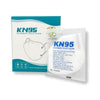 KN95 Respirator Mask, 4 layers, Box of 50 -LP-KN95-001BOX50
$79.00
KN95 Respirator Mask, 4 layers, Box of 50 -LP-KN95-001BOX50
$79.00
-
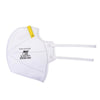 Harley N95 NIOSH Certified Particulate Respirator Mask, Folder Style 20/Box - L-188
$36.00
Harley N95 NIOSH Certified Particulate Respirator Mask, Folder Style 20/Box - L-188
$36.00
-
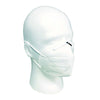 Lab Pro Mask KN95 (K-N95) Pack of 50 - LP-MASK2-K95 - 40% OFF
$125.00$75.00 -
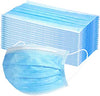 Lab Pro 3ply Earloop Disposable Mask (Non-Surgical) (Box of 50) - 84% OFF
$57.00$9.00
-
- Chemicals
- Wipes
-
Hand Tools
Hand Tools
- Gloves
-
Swabs and Applicators
Foam Tipped Swabs
-
ESD & Static Control
ESD & Static Control
- Pipettes
-
Furnaces and Ovens
Furnaces and ovens
















E. Coli Freeze Dried With Transfer Media -IS3902
$19.99
Description
SHOW MORE
Description
Description
- Key Performance Benefit: E. Coli Freeze Dried With Transfer Media – IS3902 provides a preserved Escherichia coli culture in a stabilized form that can be readily revived for laboratory and educational microbiology exercises.
- Material & Construction: The product consists of a freeze-dried E. coli pellet contained in a sterile vial, supplied with appropriate transfer media to rehydrate and culture the organism under controlled conditions.
- Risk Reduction/Compliance Benefit: Freeze-drying (lyophilization) maintains cell viability while reducing the risk associated with handling active cultures before rehydration. The included transfer media supports safer and repeatable revivals.
- Protection Level: The freeze-dried format allows controlled rehydration using the supplied broth and agar media, enabling users to culture the organism without needing to source additional reagents.
- Comfort & Usability: Provides a complete kit with everything needed to revive and grow E. coli colonies — including transfer media and simple instructions — making it ideal for learning and basic microbiology workflows.
- Safety & Compliance Assurance: Packaged and labeled for laboratory use only, with sterile components to support contamination-controlled microbiological techniques.
Recommended For
- Laboratory culture techniques
- Aseptic handling practice
- Microbiology educational labs
- Demonstrations of bacterial growth
- Introduction to culturing methods
Product Details
- Organism: Escherichia coli (freeze-dried culture)
- Format: Lyophilized pellet in sterile vial
- Includes: Transfer media for rehydration and plating
- Application: Rehydration, inoculation, and observation of E. coli growth
- Intended Use: Controlled lab settings and educational exercises
Primary Industries
- Education & Teaching Laboratories
- Research Laboratories
- Microbiology Training Programs
- Academic Institutions
- Controlled Lab Environments
Standards and Certifications
- Sterile components supplied
- Non-regulated for transport
- Suitable for lab/educational use only
FAQs
How does freeze-drying support long-term storage of bacterial cultures?
Freeze-drying removes moisture while preserving cell structure, allowing cultures to remain stable for extended periods when stored properly. This method helps maintain viability without continuous incubation, making it practical for instructional labs or scheduled experiments where consistent starting material is important.
What preparations should be completed before rehydrating the culture?
Before revival, ensure that all work surfaces, tools, and media are prepared and that aseptic technique procedures are reviewed. Having incubators, sterile loops, and growth media ready in advance helps minimize contamination risk and supports a smooth transition from rehydration to culturing.
Why is aseptic technique especially important with revived cultures?
Once rehydrated, the organism becomes an active culture that can be affected by environmental contaminants. Proper aseptic handling helps prevent unintended microbial growth, protects experimental validity, and supports safe laboratory practice in educational and training environments.
In what learning environments is this product most effective?
This format is particularly effective in structured laboratory courses, microbiology training sessions, and demonstrations of bacterial growth principles. It allows students to observe the full culture process, from revival to colony development, reinforcing foundational laboratory skills and microbial handling concepts.
How should unused or expired materials be managed?
Unused materials should be stored according to recommended laboratory guidelines to maintain viability. Expired or used cultures must be disposed of following institutional biosafety protocols, typically involving appropriate decontamination methods, to ensure safe handling and regulatory compliance within the laboratory setting.
RELATED PRODUCTS