- No products in the cart.

-
PPE Apparel
Masks
-
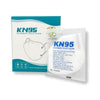 KN95 Respirator Mask, 4 layers, Box of 50 -LP-KN95-001BOX50
$79.00
KN95 Respirator Mask, 4 layers, Box of 50 -LP-KN95-001BOX50
$79.00
-
 Harley N95 NIOSH Certified Particulate Respirator Mask, Folder Style 20/Box - L-188
$36.00
Harley N95 NIOSH Certified Particulate Respirator Mask, Folder Style 20/Box - L-188
$36.00
-
 Lab Pro Mask KN95 (K-N95) Pack of 50 - LP-MASK2-K95 - 40% OFF
$125.00$75.00 -
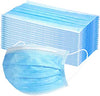 Lab Pro 3ply Earloop Disposable Mask (Non-Surgical) (Box of 50) - 84% OFF
$57.00$9.00
-
- Chemicals
- Wipes
-
Hand Tools
Hand Tools
- Gloves
-
Swabs and Applicators
Foam Tipped Swabs
-
ESD & Static Control
ESD & Static Control
- Pipettes
-
Furnaces and Ovens
Furnaces and ovens
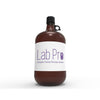
















Phosphate Buffered Saline, pH 7.6 - 5821.76-2.5
$69.40
Description
SHOW MORE
Description
Description
- Key Performance Benefit: Phosphate Buffered Saline (PBS), pH 7.6 is a 10× concentrate solution designed for reliable use in molecular biology and cell-based applications. When diluted to 1×, it provides a phosphate buffer concentration of 0.01M and sodium chloride concentration of 0.154M with a final pH of 7.4.
- Material & Construction: Supplied as a sterile, 0.2 μm filtered, colorless aqueous solution. Formulated to Molecular Biology grade and BioPerformance Certified standards to support consistent laboratory performance.
- Risk Reduction/Compliance Benefit: Tested for bioburden and endotoxin. Free from detectable DNase, RNase, Protease, and Nickase activity. Heavy metals (as Pb) ≤5 ppm to help reduce contamination risk in sensitive applications.
-
Protection Level:
- Quality Level: 100, 200
- Sterility: 0.2 μm filtered
- Heavy metals (as Pb): ≤5 ppm
- pH range: 7.2–7.6 (25 °C)
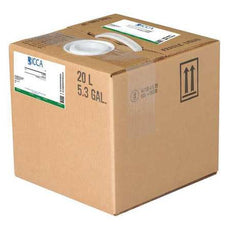
- Comfort & Usability: 10× concentrate format allows convenient dilution to working strength. 4L package size supplied in a box with spigot for spill-free dispensing. Available in 10 L Cubitainer size.
-
Safety & Compliance Assurance:
- BioPerformance Certified
- Molecular Biology Grade
- Bioburden tested
- Endotoxin tested
Recommended For
- Cell wash solution for human dental pulp stem cells (DPSCs)
- Perfusion studies in dissected brain samples
- Wash solution for neuron culture sample preparation for immunofluorescence and immunocytochemical labeling
- Wash solution for ovary and sperm during in vitro culture and fertilization
- Flow cytometry
- Microscopy
Product Details
- Material: Aqueous buffered saline solution
- Color: Colorless
- Fit / Size Range: 10 L Cubitainer
- Form: Solution
- Sterility: 0.2 μm filtered
- pH: 7.2–7.6 (25 °C)
- Solubility: Water soluble
- Heavy Metals (as Pb): ≤5 ppm
- Foreign Activity: DNase – none detected; RNase – none detected; Protease – none detected; Nickase – none detected
- CAS Numbers: 7732-18-5, 7647-14-5, 7558-79-4, 7778-77-0
Primary Industries
- Molecular Biology
- Cell Biology
- Advanced Drug Delivery
- Life Science Research
Standards and Certifications
- BioPerformance Certified
- Molecular Biology Grade
- Bioburden Tested
- Endotoxin Tested
- Heavy Metals (as Pb) ≤5 ppm
FAQs
When should I choose a 10× concentrate instead of a ready-to-use solution?
A 10× concentrate is ideal for laboratories that prepare large volumes or require flexibility in dilution. It reduces storage space, lowers shipping weight, and allows you to prepare fresh working solutions as needed. This format is especially useful in high-throughput environments where consistency and scalability matter.
How does this buffer support sensitive molecular biology workflows?
This formulation is designed to minimize variables that can compromise nucleic acid or protein integrity. By reducing contamination risks and maintaining consistent buffering capacity, it supports reproducibility across experiments. It is particularly beneficial in workflows where enzyme activity, cell viability, or downstream analysis accuracy are critical.
Why is consistent pH control important in PBS applications?
Even small pH fluctuations can affect cell viability, protein stability, and assay performance. A tightly controlled buffering system helps maintain physiological conditions during washing, dilution, or sample preparation steps. This stability contributes to more reliable staining, labeling, culturing, and imaging results across repeated experiments.
What types of laboratories benefit most from this grade of PBS?
Research facilities performing cell culture, molecular assays, microscopy, flow cytometry, or reproductive biology studies benefit most from this grade. It is particularly valuable in regulated or publication-driven environments where trace contaminants or variability could compromise experimental integrity or peer-reviewed outcomes.
How does this product help reduce contamination risks?
Beyond standard sterility, this solution is evaluated to limit enzymatic and endotoxin interference that could degrade samples or alter results. By minimizing biological and trace contaminants, it supports cleaner workflows and reduces the likelihood of unexpected assay variability or compromised experimental controls.
RELATED PRODUCTS