- No products in the cart.

-
PPE Apparel
Masks
-
 KN95 Respirator Mask, 4 layers, Box of 50 -LP-KN95-001BOX50
$79.00
KN95 Respirator Mask, 4 layers, Box of 50 -LP-KN95-001BOX50
$79.00
-
 Harley N95 NIOSH Certified Particulate Respirator Mask, Folder Style 20/Box - L-188
$36.00
Harley N95 NIOSH Certified Particulate Respirator Mask, Folder Style 20/Box - L-188
$36.00
-
 Lab Pro Mask KN95 (K-N95) Pack of 50 - LP-MASK2-K95 - 40% OFF
$125.00$75.00 -
 Lab Pro 3ply Earloop Disposable Mask (Non-Surgical) (Box of 50) - 84% OFF
$57.00$9.00
-
- Chemicals
- Wipes
-
Hand Tools
Hand Tools
- Gloves
-
Swabs and Applicators
Foam Tipped Swabs
-
ESD & Static Control
ESD & Static Control
- Pipettes
-
Furnaces and Ovens
Furnaces and ovens
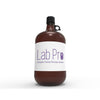
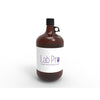



















Triethylamine
$20.96
Description
SHOW MORE
Description
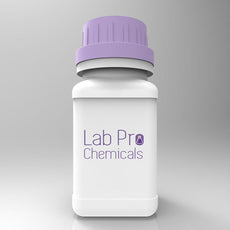
Triethylamine is supplied as a laboratory chemical reagent in a 500 mL/25 mL container. This product provides a consistent source of triethylamine for controlled laboratory workflows that require this compound.
Key Features
- Triethylamine Reagent: Supplied as a laboratory-grade chemical compound.
- Packaging: Suitable for laboratory-scale use.
- Liquid Form: Designed for controlled handling and measurement.
- Laboratory Use: Intended for professional laboratory applications involving triethylamine.
Applications
- Laboratory Research: Suitable for workflows requiring triethylamine.
- Chemical Procedures: Used in laboratory processes involving triethylamine.
- Solution Preparation: Supports laboratory workflows where triethylamine is required.
Benefits
- Reliable Supply: Provides consistent access to triethylamine for laboratory use.
- Convenient Packaging: 500 mL, 25 mL size supports ongoing laboratory workflows.
- Controlled Handling: Supplied in a form suitable for laboratory environments.
- Versatile Use: Applicable across a range of laboratory workflows involving triethylamine.
Product Specs
- Purity: Min. 99.0% (GC, T)
- Size: 500 mL, 25 mL
- Unit: EA
- Molecular Formula / Molecular Weight: C₆H₁₅N / 101.19
- CAS Number: 121-44-8
- Physical State: Liquid
- Color: Colorless
- Melting Point: −115 °C
- Conditions to Avoid: Air sensitive
- Refractive Index: 1.40
- Specific Gravity: 0.73
- MDL Number: MFCD00009051
- SDBS Number: 1288
- MINUM: 9666
- PubChem Sub ID: 87576377
- UNSPSC: 12352100
- UN Number: 1296
- Hazard Class: 3
- DOT Proper Shipping Name: Triethylamine
- Packaging Group: II
- TSCA Listed: Yes
Categories
- Laboratory Chemicals
- Organic Compounds
- Chemical Reagents
FAQs
What is the molecular formula and molecular weight of triethylamine?
The triethylamine molecular formula is C₆H₁₅N. Its molecular weight, also referred to as triethylamine MW or molar mass, is 101.19 g/mol. These properties are routinely used for stoichiometric calculations, compound identification, and analytical characterization in laboratory research.
What is the boiling point and melting point of triethylamine?
The triethylamine boiling point is approximately 89 °C, while the melting point is −115 °C. These physical properties help researchers understand volatility, storage conditions, and handling requirements during laboratory synthesis and analytical procedures.
What are common laboratory uses of triethylamine?
Triethylamine uses include acting as a base in organic synthesis, solution preparation, salt formation, and reaction neutralization. It is also referenced in specialized workflows such as iodine–triethylamine diaziridine to diazirine synthesis and diazirine formation reactions under controlled research conditions.
What safety information is available for triethylamine?
Triethylamine safety information is detailed in the triethylamine SDS or MSDS. The compound is flammable and air sensitive, requiring use in a fume hood with appropriate PPE. Always consult the triethylamine SDS before handling in laboratory environments.
RELATED PRODUCTS