- No products in the cart.

-
PPE Apparel
Masks
-
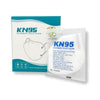 KN95 Respirator Mask, 4 layers, Box of 50 -LP-KN95-001BOX50
$79.00
KN95 Respirator Mask, 4 layers, Box of 50 -LP-KN95-001BOX50
$79.00
-
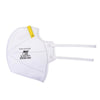 Harley N95 NIOSH Certified Particulate Respirator Mask, Folder Style 20/Box - L-188
$36.00
Harley N95 NIOSH Certified Particulate Respirator Mask, Folder Style 20/Box - L-188
$36.00
-
 Lab Pro Mask KN95 (K-N95) Pack of 50 - LP-MASK2-K95 - 40% OFF
$125.00$75.00 -
 Lab Pro 3ply Earloop Disposable Mask (Non-Surgical) (Box of 50) - 84% OFF
$57.00$9.00
-
- Chemicals
- Wipes
-
Hand Tools
Hand Tools
-
 Excelta Scissors - 346B - Micro Self-Opening - Straight - SS - Blade Length .38" - 346B
$34.73
Excelta Scissors - 346B - Micro Self-Opening - Straight - SS - Blade Length .38" - 346B
$34.73
-
 Excelta Scissors - Straight Slim Blade - SS - Blade Length 1.25" - 271
$10.62
Excelta Scissors - Straight Slim Blade - SS - Blade Length 1.25" - 271
$10.62
-
 Hakko CHP PN-20-M Thin, Short Nose Pliers - PN-20-M
$12.77$11.49 -
 Excelta Pliers - Forming Dog Leg - Carbon Steel - 907-89B
$346.39
Excelta Pliers - Forming Dog Leg - Carbon Steel - 907-89B
$346.39
-
- Gloves
-
Swabs and Applicators
Foam Tipped Swabs
-
ESD & Static Control
ESD & Static Control
- Pipettes
-
Furnaces and Ovens
Furnaces and ovens
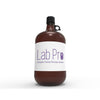



















LabClean Antistatic Latex Rubber Band, 1 Kilo/bag
$1,099.64
Description
Description
- Key performance benefit: Designed to secure static-sensitive components without generating static charge, reducing the risk of ESD damage during handling, bundling, and storage.
- Material & construction: Made from latex rubber in an antistatic formulation. Available in pink antistatic variants to address different levels of static control requirements.
- Risk reduction/compliance benefit: Eliminates the static-generation risk associated with standard rubber bands when used directly around ESD-sensitive devices and components in critical semiconductor applications.
- Protection level: Suitable for use in Electrostatic Protected Areas (EPAs).
- Comfort & usability: Standard rubber band form factor requires no additional tools or equipment. Sold in 1-kilo bags suited for high-volume workstation use.
- Safety & compliance assurance: No certifications explicitly provided.
Recommended For
- Bundling ESD-sensitive electronic components
- Semiconductor device handling and packaging
- Static-controlled assembly and production lines
- Electrostatic Protected Area (EPA) workstations
- Electronics storage and shipment preparation
- General antistatic component organization
Product Details
- Color: Pink
- Material: Latex rubber
- Type: Antistatic
- Packaging: 1 kilo per bag
- Size: 4” x .25” x 1.5mm, 400 pcs
- Size: 6.25” x .25” x 1.5mm, 400 pcs
Primary Industries
- Semiconductor Manufacturing
- Electronics Assembly
- Electronic Component Distribution
Standards and Certifications
- Suitable for use in Electrostatic Protected Areas (EPA)
FAQs
What is the difference between the pink antistatic variants?
Antistatic bands prevent static charge from being generated during use, making them suitable for general ESD-sensitive handling. Conductive bands actively dissipate existing charge and are specifically manufactured for higher-demand semiconductor and electronics applications. The right choice depends on the static control requirements of your specific environment or process.
Can these rubber bands be used directly in contact with sensitive electronic components?
Yes, these bands are designed for direct use around static-sensitive components. Unlike standard rubber bands, which can generate triboelectric charge on contact, the antistatic formulation prevents charge generation, making them appropriate for use in EPAs where standard bands would pose a risk.
Are these bands suitable for cleanroom or controlled environment use?
The product is confirmed suitable for Electrostatic Protected Areas. If your facility has additional cleanroom classification requirements beyond ESD control, verify compatibility with your site's material acceptance criteria, as no cleanroom classification is explicitly stated for this product.
How should these rubber bands be stored to maintain their antistatic properties?
Store in a cool, dry environment away from direct sunlight and heat sources, which can degrade latex rubber over time. Antistatic properties are inherent in the material formulation, but physical degradation due to improper storage may affect performance. Follow standard latex rubber storage practices for best results.
Is the 1-kilo bag packaging suitable for workstation dispensing, or is secondary packaging needed?
The 1-kilo bag is a bulk packaging format intended for restocking and supply management rather than direct workstation dispensing. Facilities typically portion out smaller quantities to individual workstations. No specific dispensing packaging is included; use secondary containers appropriate to your workstation setup.
RELATED PRODUCTS