- No products in the cart.

-
PPE Apparel
Masks
-
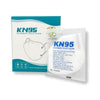 KN95 Respirator Mask, 4 layers, Box of 50 -LP-KN95-001BOX50
$79.00
KN95 Respirator Mask, 4 layers, Box of 50 -LP-KN95-001BOX50
$79.00
-
 Harley N95 NIOSH Certified Particulate Respirator Mask, Folder Style 20/Box - L-188
$36.00
Harley N95 NIOSH Certified Particulate Respirator Mask, Folder Style 20/Box - L-188
$36.00
-
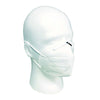 Lab Pro Mask KN95 (K-N95) Pack of 50 - LP-MASK2-K95 - 40% OFF
$125.00$75.00 -
 Lab Pro 3ply Earloop Disposable Mask (Non-Surgical) (Box of 50) - 84% OFF
$57.00$9.00
-
- Chemicals
- Wipes
-
Hand Tools
Hand Tools
- Gloves
-
Swabs and Applicators
Foam Tipped Swabs
-
ESD & Static Control
ESD & Static Control
- Pipettes
-
Furnaces and Ovens
Furnaces and ovens
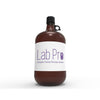














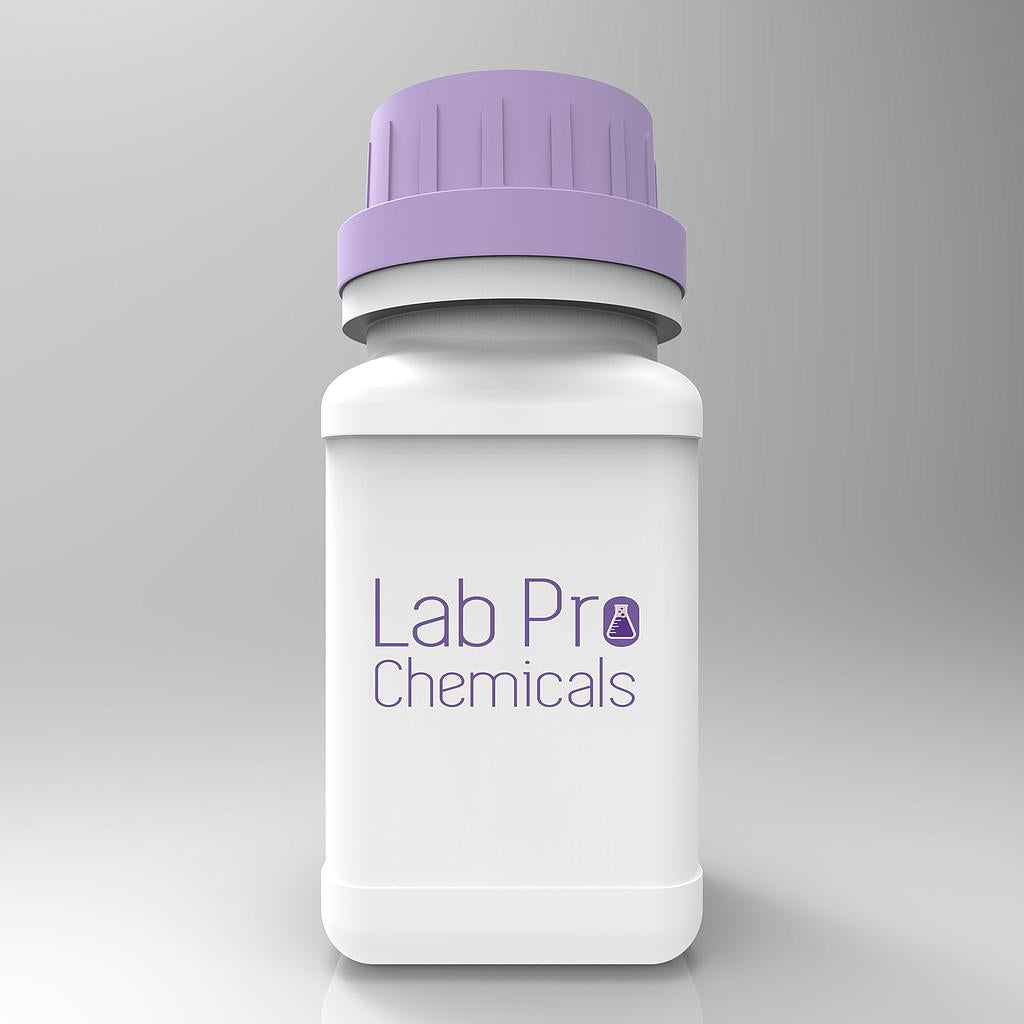


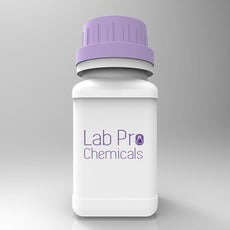
Potassium Nitrate ACS 1lb.
$121.36
Description
Description
Potassium Nitrate ACS (1 lb.) is a high-purity chemical widely used in laboratories, research facilities, and industrial applications. As an ACS-grade product, it meets the standards of the American Chemical Society, ensuring quality and consistency for analytical and experimental work.
Sourced through Acme Chemicals, this compound supports a wide range of uses, from laboratory reagents to chemical formulations. Whether you’re conducting research, preparing experiments, or working in production environments, Acme Chemical products like potassium nitrate provide reliable, high-quality results.
Key Features
- ACS grade: for laboratory and analytical use.
- High-purity potassium nitrate: for consistent results.
- Packaged in 1 lb. container: for convenient handling.
- Suitable for academic, industrial, and research applications: ensuring versatility.
- Reliable sourcing: through Acme Chemicals.
Applications
- Laboratory experiments and analytical testing.
- Research in chemistry and material sciences.
- Fertilizer formulations and agricultural research.
- Pyrotechnics and controlled industrial processes.
- General reagent use in schools, universities, and labs.
Benefits
- Ensures compliance: with ACS purity standards.
- Provides reliable, reproducible results: in experiments.
- Safe packaging: for easy storage and handling.
- Backed by trusted suppliers: such as Acme Chemicals.
- Versatile compound: with multiple research and industrial uses.
Categories
- Laboratory Chemicals
- ACS Grade Reagents
- Potassium Compounds
- Acme Chemicals Products
FAQs
What does “ACS grade” guarantee for my lab work?
It meets American Chemical Society purity specifications, supporting analytical and research applications where consistent impurity limits are required.
How should I store potassium nitrate to maintain quality?
Keep tightly closed in a cool, dry area away from organic materials and reducing agents. Moisture uptake can cause caking and impact weight accuracy.
Are there important incompatibilities to note?
Yes. Avoid contact with strong acids, reducing agents, combustible/organic materials, and finely divided metals. Do not store near flammables.
What PPE and handling practices are recommended?
Use safety glasses, lab coats, and appropriate gloves. Avoid dust generation; use local exhaust when weighing or transferring. Consult the SDS before first use.
How should I label and track an opened bottle?
Mark open date, responsible user, and lot/batch number. For critical work, record the lot in your notebook or LIMS to support traceability and repeatability.
RELATED PRODUCTS