- No products in the cart.

-
PPE Apparel
Masks
-
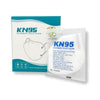 KN95 Respirator Mask, 4 layers, Box of 50 -LP-KN95-001BOX50
$79.00
KN95 Respirator Mask, 4 layers, Box of 50 -LP-KN95-001BOX50
$79.00
-
 Harley N95 NIOSH Certified Particulate Respirator Mask, Folder Style 20/Box - L-188
$36.00
Harley N95 NIOSH Certified Particulate Respirator Mask, Folder Style 20/Box - L-188
$36.00
-
 Lab Pro Mask KN95 (K-N95) Pack of 50 - LP-MASK2-K95 - 40% OFF
$125.00$75.00 -
 Lab Pro 3ply Earloop Disposable Mask (Non-Surgical) (Box of 50) - 84% OFF
$57.00$9.00
-
- Chemicals
- Wipes
-
Hand Tools
Hand Tools
-
 Excelta Scissors - 346B - Micro Self-Opening - Straight - SS - Blade Length .38" - 346B
$34.73
Excelta Scissors - 346B - Micro Self-Opening - Straight - SS - Blade Length .38" - 346B
$34.73
-
 Excelta Scissors - Straight Slim Blade - SS - Blade Length 1.25" - 271
$10.62
Excelta Scissors - Straight Slim Blade - SS - Blade Length 1.25" - 271
$10.62
-
 Hakko CHP PN-20-M Thin, Short Nose Pliers - PN-20-M
$12.77$11.49 -
 Excelta Pliers - Forming Dog Leg - Carbon Steel - 907-89B
$346.39
Excelta Pliers - Forming Dog Leg - Carbon Steel - 907-89B
$346.39
-
- Gloves
-
Swabs and Applicators
Foam Tipped Swabs
-
ESD & Static Control
ESD & Static Control
- Pipettes
-
Furnaces and Ovens
Furnaces and ovens

















Transforming Technologies Heel Grounder, 1.25" Cup, Stretch Velcro, 1 Meg, Blue - HG1360BTT
$6.87
Description
SHOW MORE
Description
- Key performance benefit: Ground mobile personnel by maintaining continuous electrical contact with the flooring or ESD mats.
- Material & construction: Constructed with a stretch hook and loop elastic strap and conductive rubber with a gray polyester ribbon containing conductive yarn. Features a reversible 1.25" cup design for extended lifespan.
- Risk reduction/compliance benefit: Provides continuous grounding while in motion when worn on both feet, reducing electrostatic charge buildup.
- Protection level: Includes a buried 1-megohm resistor (±5% tolerance) for controlled grounding.
- Comfort & usability: Elastic stretch strap adjusts during movement for a secure fit. Reversible design allows extended use by flipping the strap when worn.
- Safety & compliance assurance: Meets or exceeds ANSI ESD S20.20 requirements.
Recommended For
- Mobile personnel grounding
- ESD-controlled environments
- Electronics manufacturing
- Cleanroom-compatible flooring systems
- Static control compliance
- Industrial work areas
Primary Industries
- Electronics Manufacturing
- ESD Control Environments
- Industrial Manufacturing
Standards and Certifications
- ANSI ESD S20.20 compliant
Properties
| Cup Size | 1.25" |
| Strap Type | Stretch hook and loop |
| Resistor | 1 meg ohm (±5% tolerance), buried |
| Material | Conductive rubber, gray polyester ribbon with conductive yarn |
| Color | Black, Blue |
| Design | Reversible cup |
FAQs
When should heel grounders be used instead of wrist straps?
Heel grounders are preferred when operators need mobility and cannot remain connected to a fixed workstation. They are commonly used in environments where personnel move between areas, allowing continuous grounding through conductive flooring rather than requiring a direct connection to a grounding point.
Why is it recommended to wear heel grounders on both feet?
Wearing heel grounders on both feet helps ensure consistent electrical contact with the floor during movement. As one foot may lift while walking, the other maintains contact, providing continuous grounding and reducing the risk of static charge buildup in dynamic work environments.
How does the reversible design extend product lifespan?
The reversible cup allows users to flip the grounding contact surface once one side shows wear. This enhances usability without requiring immediate replacement, making it a practical option for high-use environments where durability and cost-efficiency are important considerations.
What types of flooring are required for proper performance?
Heel grounders require conductive or dissipative flooring to function effectively. Without appropriate flooring, grounding performance may be limited. They are best used in ESD-controlled environments where flooring systems are designed to support static dissipation through contact with conductive materials.
What handling and fit considerations ensure reliable grounding?
The strap should be adjusted to fit securely around the shoe to maintain consistent contact with the floor. Ensuring the conductive ribbon remains properly positioned under the foot is important for performance. Regular inspection for wear or damage helps maintain reliable grounding during use.
RELATED PRODUCTS