- No products in the cart.

-
PPE Apparel
Masks
-
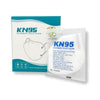 KN95 Respirator Mask, 4 layers, Box of 50 -LP-KN95-001BOX50
$79.00
KN95 Respirator Mask, 4 layers, Box of 50 -LP-KN95-001BOX50
$79.00
-
 Harley N95 NIOSH Certified Particulate Respirator Mask, Folder Style 20/Box - L-188
$36.00
Harley N95 NIOSH Certified Particulate Respirator Mask, Folder Style 20/Box - L-188
$36.00
-
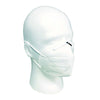 Lab Pro Mask KN95 (K-N95) Pack of 50 - LP-MASK2-K95 - 40% OFF
$125.00$75.00 -
 Lab Pro 3ply Earloop Disposable Mask (Non-Surgical) (Box of 50) - 84% OFF
$57.00$9.00
-
- Chemicals
- Wipes
-
Hand Tools
Hand Tools
- Gloves
-
Swabs and Applicators
Foam Tipped Swabs
-
ESD & Static Control
ESD & Static Control
- Pipettes
-
Furnaces and Ovens
Furnaces and ovens
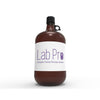

















Chloroform, Reagent (Acs), Hydrocarbon Stabilized,4 X 4 L - 88154
$604.59
Description
SHOW MORE
Description
This Chloroform Reagent ACS is hydrocarbon-stabilized and supplied in a 4 × 4 L configuration. It provides ACS-grade purity with an assay of ≥ 99.8%. The product includes amylene as a stabilizer at 75–200 ppm. Quality specifications listed on the page include low impurity levels for acetone, aldehydes, acids, chlorides, color (APHA ≤ 10), free chlorine, heavy metals, and residue after evaporation (≤ 0.001%). The product is classified under UN1888 and includes standard chemical identifiers such as CAS 67-66-3 and formula CHCl₃.
Key Features
- ACS-grade Chloroform: High-purity chloroform with ≥ 99.8% assay for demanding laboratory applications.
- Hydrocarbon-Stabilized: Stabilized with hydrocarbon for maintaining chemical integrity during storage and handling.
- Amylene Stabilizer: Contains 75–200 ppm amylene stabilizer to prevent degradation.
- Low Impurity Levels: Minimal levels of acetone, aldehydes, acids, chlorides, and other contaminants.
- Color (APHA ≤ 10): Low color content, ensuring clarity and high-quality appearance.
- Residue After Evaporation: ≤ 0.001% residue after evaporation, ensuring purity after use.
- Chemical Identifiers: CAS 67-66-3, formula CHCl₃, and UN1888 classification for safety and compliance.
Applications
- Laboratory Use: Ideal for various laboratory applications requiring ACS-grade chloroform.
- Hydrocarbon-Stabilized Solvent: Perfect for processes where chemical integrity is crucial, and hydrocarbon stabilization is necessary.
- Analytical & Reagent Preparation: Used in analytical workflows and reagent preparation for precision results.
Benefits
- High-Purity Solvent: Offers excellent purity with controlled impurity levels, ensuring reliable results.
- Stabilized Chemical Integrity: Stabilized with amylene to maintain purity over time and prevent degradation.
- Bulk Packaging: Supplied in convenient 4 × 4 L bulk packaging for high-volume laboratory demand.
Product Specs
- Purity: Assay ≥ 99.8%
- Stabilizer: Amylene, 75–200 ppm
- Volume: 4 × 4 L
- CAS Number: 67-66-3
- Formula: CHCl₃
- UN Number: UN1888
Categories
- Solvents
- ACS Reagent Chemicals
- Hydrocarbon-Stabilized Chemicals
- Laboratory Reagents
FAQs
What is this chloroform product, and what does “hydrocarbon-stabilized” mean?
This is ACS-grade chloroform (trichloromethane, CHCl₃) with an assay of ≥ 99.8%, stabilized with a hydrocarbon (commonly amylene at ~75–200 ppm). The stabilizer helps prevent decomposition over time into hazardous by-products such as phosgene and HCl, extending shelf life compared to unstabilized chloroform.
What are the typical purity and impurity specifications?
The solvent meets ACS quality standards with very low impurities: acetone/aldehydes, acids, and chlorides are within limits; color ≤ 10 APHA; and residue after evaporation ≤ 0.001%. These specs ensure suitability for sensitive analytical or synthesis workflows. (Based on your spec list + general ACS standard practices.)
+ general ACS standard practices.) What are the main hazards and safety precautions when using this chloroform?
Chloroform, stabilized or not, remains toxic: inhalation, skin or eye contact, or ingestion can harm health. It is classified under Hazard Class 6.1 (toxic), and is a suspected human carcinogen; repeated or prolonged exposure may cause organ damage. Use in well-ventilated areas, wear gloves, eye/face protection, and follow SDS guidance.
What special storage and handling requirements apply?
Store in a tightly sealed original container, in a cool, ventilated area away from heat, sparks, or ignition sources. Since stabilized chloroform slowly degrades, avoid direct light or heat to prevent the formation of phosgene or other toxic degradation products. Keep the container closed when not in use.
How should waste and disposal be handled for this chemical?
Unused or contaminated chloroform, residues, and disposal containers must be treated as hazardous waste. Do not mix with incompatible chemicals such as strong bases or reducing agents. Follow local, regional, and national regulations for hazardous-waste disposal.
RELATED PRODUCTS