- No products in the cart.

-
PPE Apparel
Masks
-
 KN95 Respirator Mask, 4 layers, Box of 50 -LP-KN95-001BOX50
$79.00
KN95 Respirator Mask, 4 layers, Box of 50 -LP-KN95-001BOX50
$79.00
-
 Harley N95 NIOSH Certified Particulate Respirator Mask, Folder Style 20/Box - L-188
$36.00
Harley N95 NIOSH Certified Particulate Respirator Mask, Folder Style 20/Box - L-188
$36.00
-
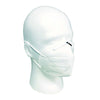 Lab Pro Mask KN95 (K-N95) Pack of 50 - LP-MASK2-K95 - 40% OFF
$125.00$75.00 -
 Lab Pro 3ply Earloop Disposable Mask (Non-Surgical) (Box of 50) - 84% OFF
$57.00$9.00
-
- Chemicals
- Wipes
-
Hand Tools
Hand Tools
-
 Excelta Scissors - 346B - Micro Self-Opening - Straight - SS - Blade Length .38" - 346B
$34.73
Excelta Scissors - 346B - Micro Self-Opening - Straight - SS - Blade Length .38" - 346B
$34.73
-
 Excelta Scissors - Straight Slim Blade - SS - Blade Length 1.25" - 271
$10.62
Excelta Scissors - Straight Slim Blade - SS - Blade Length 1.25" - 271
$10.62
-
 Hakko CHP PN-20-M Thin, Short Nose Pliers - PN-20-M
$12.77$11.49 -
 Excelta Pliers - Forming Dog Leg - Carbon Steel - 907-89B
$346.39
Excelta Pliers - Forming Dog Leg - Carbon Steel - 907-89B
$346.39
-
- Gloves
-
Swabs and Applicators
Foam Tipped Swabs
-
ESD & Static Control
ESD & Static Control
- Pipettes
-
Furnaces and Ovens
Furnaces and ovens
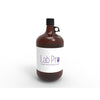

















2-(2-Aminoethoxy)ethanol, 500ML - A0301-500ML
$69.87
Description
SHOW MORE
Description
Description
- Key Performance Benefit: 2-(2-Aminoethoxy)ethanol is a high-purity liquid amine reagent used in laboratory research and industrial chemical processes requiring a reactive intermediate.
- Material & Construction: Supplied as a clear liquid chemical reagent with a typical purity of ≥98% (GC). The product is packaged in a 500 mL container for laboratory and manufacturing use.
- Risk Reduction/Compliance Benefit: Shipped in accordance with hazardous material transport regulations (UN3055, Class 8), supporting compliant handling and distribution for corrosive liquids.
- Protection Level: Classified as a corrosive liquid (Hazard Class 8) and must be handled using appropriate personal protective equipment and laboratory safety procedures.
- Comfort & Usability: Packaged in a manageable 500 mL bottle suitable for controlled dispensing in laboratory and production environments.
- Safety & Compliance Assurance: For laboratory, research, and industrial use only. Not intended for medical, household, or consumer applications. Transported under applicable hazardous material regulations.
Recommended For
- Chemical synthesis applications
- Laboratory research and formulation work
- Industrial manufacturing processes
- Intermediate production in specialty chemicals
- Controlled R&D environments
Product Details
- Chemical Name: 2-(2-Aminoethoxy)ethanol
- CAS Number: 929-06-6
- Molecular Formula: C₄H₁₁NO₂
- Molecular Weight: 105.14 g/mol
- Purity: ≥98% (GC)
- Physical State: Liquid
- Volume: 500 mL
- Hazard Classification: UN3055, Class 8
Primary Industries
- Chemical Manufacturing
- Research & Development
- Industrial Processing
- Specialty Chemical Production
Standards and Certifications
- Transported under UN3055 (Corrosive Liquid)
- Hazard Class 8
- For Professional Laboratory and Industrial Use Only
FAQs
How should this reagent be handled in a laboratory setting?
This material should be handled in a properly ventilated laboratory environment using appropriate personal protective equipment, including gloves, eye protection, and lab coats. Working within a chemical fume hood is recommended to minimize vapor exposure and ensure safe handling during measurement, transfer or reaction setup.
What should be considered before incorporating this compound into a synthesis process?
Before use, evaluate compatibility with other reagents, reaction conditions, and equipment materials. Its reactivity as an amine may influence reaction pathways, byproduct formation, or corrosion potential. Small-scale validation is recommended to confirm expected performance and ensure safe, controlled process development.
How should this chemical be stored to maintain stability?
Store the container tightly closed in a cool, dry, and well-ventilated area away from incompatible substances. Protecting it from excessive heat and moisture helps maintain quality and reduces the risk of degradation or pressure buildup, supporting consistent performance over its intended shelf life.
What disposal considerations apply to this material?
Disposal must follow local, regional, and national regulations for hazardous chemical waste. It should not be poured down drains or discarded with general waste. Coordination with an approved chemical waste disposal provider ensures compliant handling and minimizes environmental or regulatory risks.
Who is this product intended for?
This reagent is intended exclusively for trained professionals in laboratory, research, or industrial environments. Proper chemical knowledge, hazard awareness, and safety infrastructure are essential when working with corrosive substances, making it unsuitable for consumer, household, or untrained use.
RELATED PRODUCTS