FAQs
How do sealed-border wipers improve cleanroom compliance?
Sealed-border construction reduces fiber shedding and particle release compared to cut-edge wipes. This design is especially important for facilities operating under strict ISO Class 2–7 standards, where even small contaminants can affect production quality.
What’s the advantage of double-knit polyester in cleanroom wipes?
Double-knit polyester provides a stronger, denser fabric structure, which enhances durability on abrasive surfaces while maintaining low lint levels. This makes it more reliable for repeated wiping without compromising cleanliness.
When should autoclaving be considered for these wipes?
Autoclaving is recommended when wipes must be sterilized before use in aseptic environments such as compounding pharmacies or pharmaceutical manufacturing. The TX1010 wipes are autoclavable in their dry state, ensuring sterility without altering fabric performance.
What factors should guide solvent selection with these wipes?
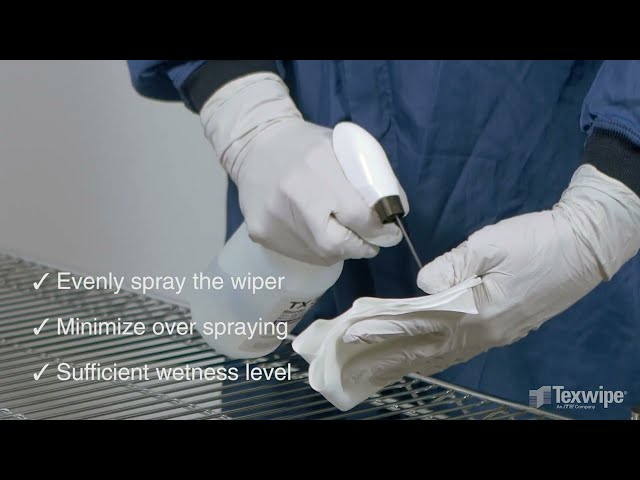
While compatible with IPA, ethanol, and acetone, solvent choice should depend on the type of residue being removed. For example, IPA is effective for general disinfection, ethanol for pharmaceutical applications, and acetone for degreasing or adhesive removal.
Can Vectra Alpha 10 wipes help reduce overall contamination control costs?
Yes. Their durability and low linting design mean fewer wipes are required for effective cleaning, reducing overall consumption while maintaining strict cleanliness standards. This efficiency can contribute to cost savings over time.